
Choosing the right nursing college is one of the most important decisions for anyone planning a career in healthcare. A good nursing college does more than provide classroom education—it helps students develop clinical skills, professional confidence, communication abilities, and the practical knowledge needed to care for patients effectively.
With many nursing colleges offering different courses, facilities, and career opportunities, selecting the right one can feel overwhelming. Instead of choosing a college only because of its location or admission advertisements, students should ask the right questions before making a decision.
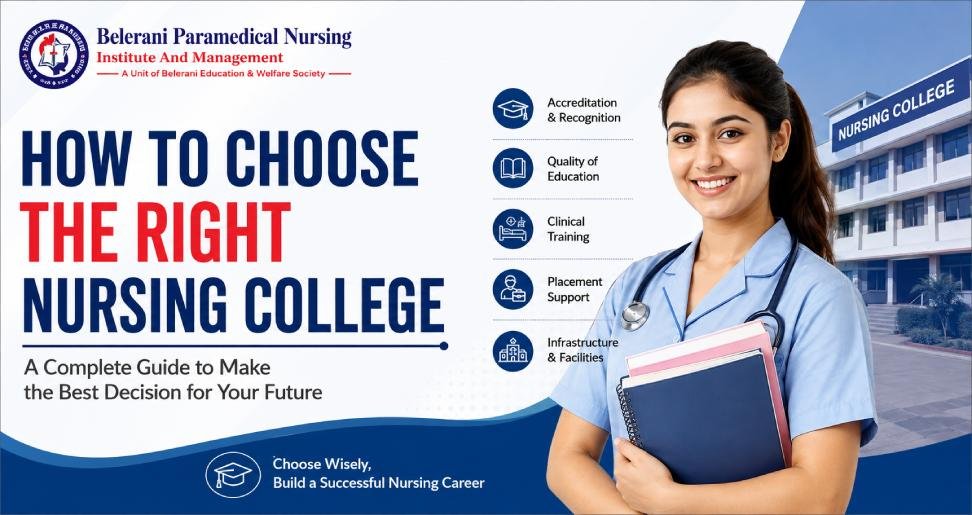
Here are 10 important questions to ask when choosing a nursing college, along with the factors every aspiring nursing student should consider.
1. Is the Nursing College Properly Recognized and Approved?
The first question should always be about recognition and approval. A nursing qualification is valuable only when the institution and course meet the requirements of the appropriate regulatory authorities.
Before applying, check whether the college has the necessary approvals and affiliations applicable to the nursing program. Also verify whether the specific course you want to study is approved.
This step can help students avoid problems related to qualification validity, registration, higher education, or future employment.
A reputable institution such as SEBA Nursing can be considered by students who are looking for a structured environment for nursing education and professional development.
2. Which Nursing Courses Does the College Offer?
Not every nursing college offers the same programs. Depending on your educational background and career goals, you may be interested in courses such as GNM Nursing, B.Sc Nursing, or other relevant programs.
Ask the college:
- Which nursing courses are available?
- What are the eligibility requirements?
- How long is each course?
- What is the admission process?
- Are there any entrance or selection requirements?
Understanding these details beforehand helps you choose a program that matches your academic qualifications and career plans.
3. How Experienced and Qualified Are the Faculty Members?
Teachers play an important role in nursing education. Nursing students need more than theoretical knowledge; they need proper guidance while learning clinical procedures and patient-care techniques.
Ask about the qualifications and experience of the teaching staff. Find out whether students receive adequate academic support and whether faculty members are accessible when students need clarification.
Experienced educators can make complex subjects easier to understand and help students develop a stronger foundation in nursing.
4. What Clinical Training Opportunities Are Available?
Clinical exposure is one of the most important parts of nursing education. Students need practical experience to understand how healthcare environments operate and how nursing knowledge is applied to real patient-care situations.
Before selecting a college, ask where students receive clinical training and what departments or healthcare facilities are available for practical exposure.
You can also ask:
- How frequently do students receive clinical training?
- Which departments are covered?
- Do students get exposure to different types of patients?
- Is practical training supervised by qualified professionals?
A college that gives students meaningful clinical exposure can help bridge the gap between classroom learning and professional nursing practice.
5. Does the College Have Good Nursing Laboratories?
Well-equipped laboratories are essential for developing practical nursing skills. Students should have opportunities to practise procedures in a controlled learning environment before performing them during clinical training.
Ask whether the institution has dedicated laboratories for nursing education and whether they contain relevant equipment and learning resources.
A good practical learning environment can help students improve their confidence, accuracy, and understanding of nursing procedures.
6. What Are the College’s Infrastructure and Student Facilities Like?
The overall learning environment can significantly influence a student’s college experience.
During a campus visit, look at classrooms, laboratories, libraries, hostels, sanitation facilities, recreational areas, and other student amenities. Ask whether the campus provides a comfortable and supportive environment for learning.
If hostel accommodation is available, ask about:
- Room facilities
- Food arrangements
- Security
- Cleanliness
- Study areas
- Rules and supervision
Do not judge a college only by brochures or online advertisements. Visiting the campus, when possible, can provide a better understanding of the facilities.
7. What Is the Student-to-Faculty Ratio?
Nursing education involves both theoretical and practical learning. Students may benefit from more individual attention when classes and practical sessions are appropriately managed.
Ask about the approximate student-to-faculty ratio and how practical sessions are conducted.
A supportive academic environment can make it easier for students to ask questions, receive feedback, and improve their skills.
8. What Support Is Available for Students?
Starting a nursing course can be challenging. Students may need academic guidance, career advice, mentoring, or assistance with adapting to clinical environments.
Ask whether the college provides student support services and whether teachers or mentors are available to guide students.
You should also ask about career guidance, skill-development activities, workshops, seminars, and other opportunities that can support professional growth.
Institutions focused on holistic nursing education can help students develop not only academic knowledge but also communication, teamwork, discipline, and patient-care skills.
9. What Are the Career and Placement Opportunities?
A nursing student’s long-term goal is usually to build a successful healthcare career. Therefore, it is important to understand what kind of career support the college provides.
Ask about placement assistance and whether the institution has connections with hospitals or healthcare organizations. However, do not rely only on claims about placements. Ask for clear information about the college’s career-support process.
You can also ask whether students receive guidance related to:
- Resume preparation
- Interviews
- Professional communication
- Career planning
- Higher education
- Employment opportunities
Remember that no college can guarantee a particular job. Your skills, qualifications, clinical performance, and professional attitude also play an important role.
10. What Is the Complete Cost of the Nursing Course?
Fees are another important factor when comparing nursing colleges. Instead of looking only at the basic tuition fee, ask for a complete breakdown of expenses.
Find out about tuition fees, examination charges, laboratory fees, hostel expenses, transportation, uniforms, books, and other possible costs.
Also ask whether scholarships, instalment facilities, or other financial support options are available.
Having a clear understanding of the total expenses can help families plan financially and avoid unexpected costs later.
Other Factors to Consider Before Finalizing a Nursing College
Apart from these 10 questions, students should consider the college’s location, academic environment, discipline, reputation, student feedback, and opportunities for extracurricular activities.
Speak with current students or recent graduates if possible. Their experiences can provide useful insights into teaching quality, clinical training, campus life, and student support.
It is also helpful to compare two or three colleges instead of making a decision immediately after seeing one institution. Create a list of your priorities and evaluate each college according to those factors.
Why Choosing the Right Nursing College Matters
Nursing is a profession that requires knowledge, practical competence, responsibility, empathy, and strong communication skills. The college where you receive your education can influence how effectively you develop these qualities.
A good nursing institution should provide a balance between academic education and practical learning. It should encourage students to understand patient needs, follow professional standards, develop clinical skills, and become responsible healthcare professionals.
SEBA Nursing aims to provide students with an educational environment where nursing knowledge and practical development can work together. Prospective students can explore the available programs, facilities, admission requirements, and learning opportunities before making their final decision.
Conclusion
Choosing a nursing college should never be based solely on advertisements, location, or fees. Students should carefully investigate the institution, course recognition, faculty, clinical training, infrastructure, student support, career opportunities, and total expenses.
The 10 questions discussed above can help students compare nursing colleges more confidently and make an informed decision. Take time to research your options, visit campuses when possible, speak with students and faculty, and understand the course requirements before applying.
The right nursing college can provide the foundation for developing the knowledge, practical skills, and professional attitude needed for a rewarding career in healthcare. With careful research and thoughtful comparison, aspiring nurses can choose an institution that supports both their education and long-term career goals.